
Sensory Ecology in the Anthropocene
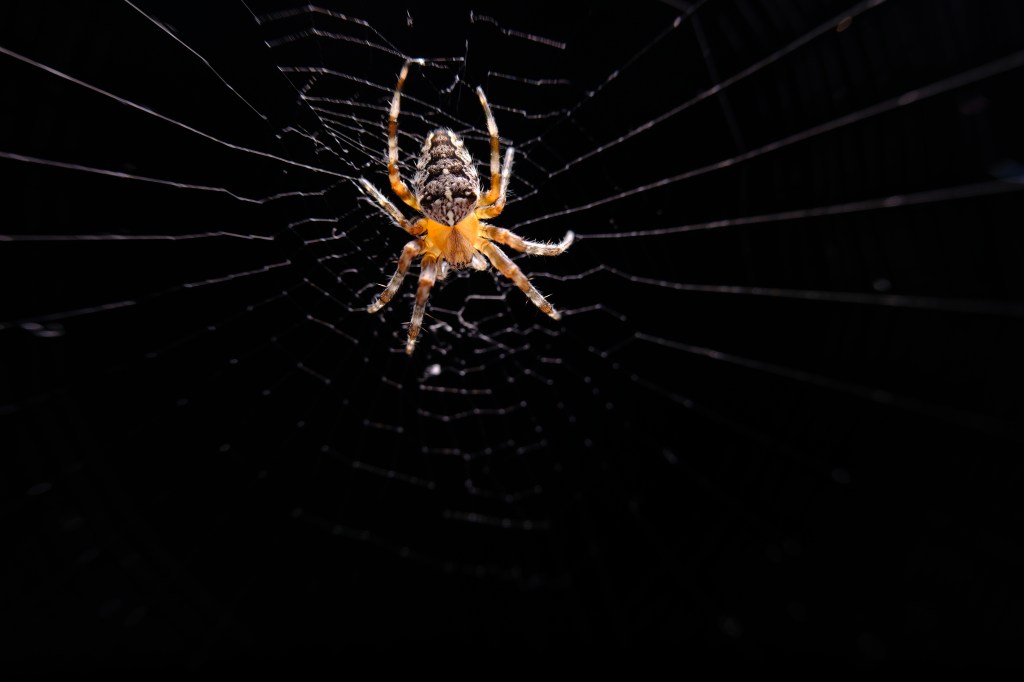
Urbanization alters the sensory landscape, creating novel ecosystems that test the adaptive capacity of organisms and threaten biodiversity. We study how urban pollutants disrupt sex pheromone communication in the cross spider Araneus diadematus, contrasting urban and rural agricultural sites against laboratory controls. We test whether pollutants impair pheromone production, degrade the deposited signal during transmission, and impair chemosensory reception in males. We combine targeted and untargeted metabolomics (LC-HRMS, GC-MS), heavy-metal analysis (ICP-MS) and behavioural assays. Because the orb web both broadcasts the pheromone and traps airborne pollutants, sampling webs also establishes them as an ecotoxicological biomonitor of urban air quality. This work identifies the evolutionary mismatches and ecological traps that arise where evolved decision rules fail in human-modified environments.
Chemical mediation of sexual selection
Our DFG-funded project explores the chemical ecology of the Mediterranean Black Widow Latrodectus tredecimguttatus.
We investigate how pheromones mediate mate choice and sexual conflict.
Furthermore, we also test whether inter-sexual pheromones provide social information for members of the same sex mediating aggregations and competition.

Sensory Ecology of „Dark Taxa“
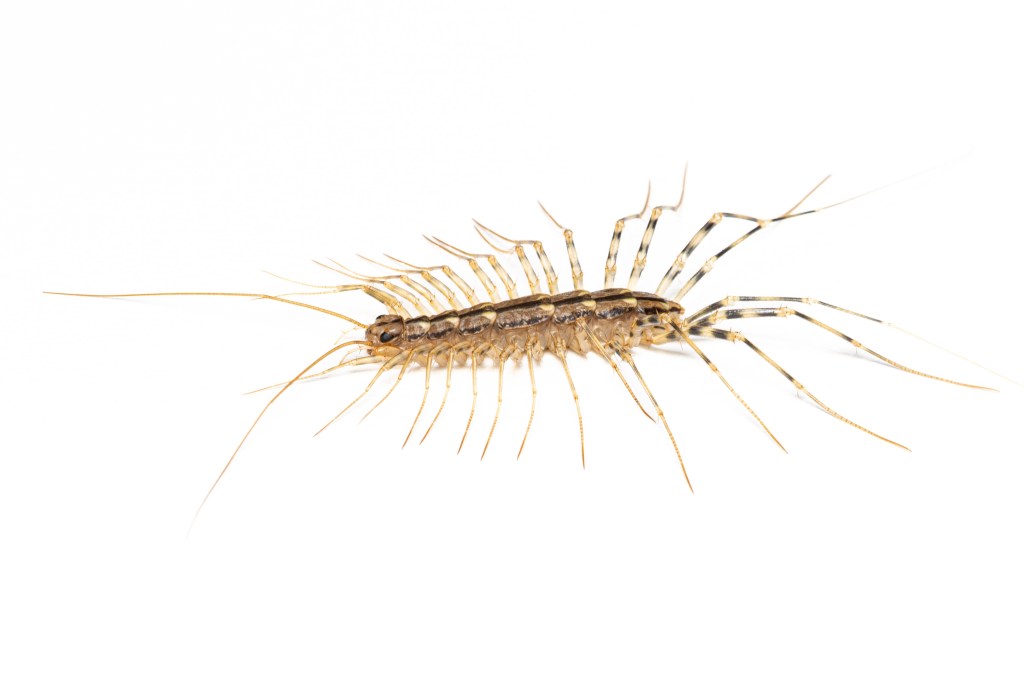
Addressing taxonomic bias in sensory biology, we explore the chemical world of an understudied group, the Myriapoda. Using the house centipede Scutigera coleoptrata as a model, we conduct foundational behavioral assays to determine if chemical information is used to locate prey and mediate sexual interactions.
Eco-Friendly Pest Control
We work toward a pesticide-free world and less fear of spiders. To reduce pesticide use driven by arachnophobia, this project develops sustainable management for urban spiders. We are identifying sex pheromones of species like the „Nosferatu“ spider for targeted baits and systematically testing botanicals for broad-spectrum deterrents, creating eco-friendly Integrated Pest Management (IPM) solutions.
The themes above are the questions we work on now. Students who arrive with a question of their own are just as welcome, and we are flexible on the model system and the methods. Information for Students has the details.

